

Moeck, "Kynseker", soprano in c'', baroque single hole, plum

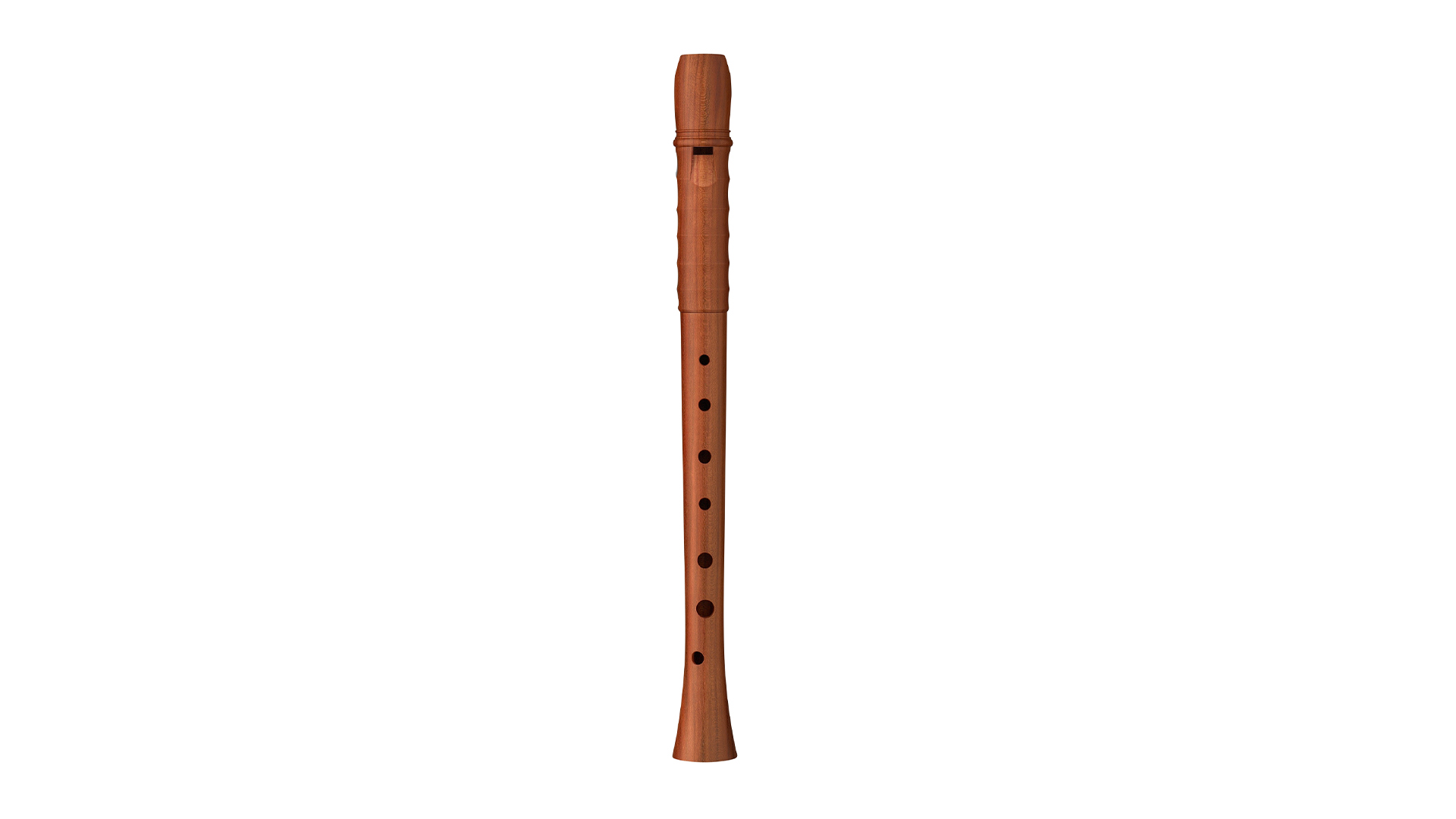
Baroque Singlehole, Item: 8250-MOE Natural, 442 Hz
The Soprano instrument with the article number: 8250-MOE from Moeck is a recorder, the in making music continues to will give fun.
This characteristic is due to the masterful marriage of the unique composition in fine tuning with the sound of the material Plumwood.
The bore
The geometry of the inner bore of the recorder is light cylindroconical and on average further. This kind of bore shape grants the instrument this tipically tone.In principle, recorders with wider bore sound warmer, fuller, more fundamental and thus more suitable for ensembles than instruments with narrower inner bore.
For what styles can this instrument be used for?
Plumwood is wonderful for instruments used for: focus on choral playing, recorder ensembles and orchestras, other styles are possible.To whom is this instrument addressed?
For the above facts it follows that recorders made of Plumwood are especially for ambitious amateurs and advanced players recommendable. A further valid law is that a demanding instrument makes the interaction as uncomplicated at first glance low-cost offer.The windway of the recorder
The windway is the area in the recorder head where the breath of the musician is formed into a thin sheet of air. This air leaf is the determining element of tone production. At the labium, the air flow is very quickly alternately directed inwards and outwards. This swinging stream stimulates the air in the bore. This is the origin of the recorder tone. This is the reason why the labium must never be damaged. The same applies to the windway. Otherwise suffer the sound and response of the recorder.
The windway of the recorder 8250-MOE of Moeck has this windway shape: Curved, conical.Conical windways accelerate breathing air more than cylindrical shaped windways.
Never violate windway and labium! Their meaning for the recorder is exceedingly complex in their geometric shaping. Even minor damages here often lead to a total loss!
Fingerings
The recorder Moeck 8250-MOE is manufactured in the version: Baroque Singlehole .
Construction of the body
The number of parts a flute influences strongly the way the woodwind instrument in daily use on the one hand is uncomplicated to handle in terms of easy gripping and on the other hand for the convenient transport.
This is a point that should not be underestimated, especially when transporting larger (and sometimes multiple) instruments.
{Experienced ensemble players can tell you a thing or two about this. Or ask members of recorder orchestras will agree.
Leaders of large ensembles know how useful good and compact recorder cases are.
Packaging and accessories
The model is delivered as standard with: CaseThe following accessories included: Wiper rod, fingering chart, care instructions
Notes for finding a new instrument
Inform yourself in detail!The search for your new instrument should in no case be influenced by opinions prevailing in your environment.
Get your own realizations after testing an instrument. Don't let "expert"-opinions.
Do not let others stop you from playing of an yet unknown instrument.
Your musical taste is as individual as you are.
Therefore, only you can decide which wind tunnel shape will to "make music endlessly".
Our recommendation is therefore: Try also unknown manufacturers!
After that you will be amazed and can make a safe decision.
Information about instruments with keys
Not always can the tone holes be drilled in the places in the that are comfortable and easy to reach with the fingers. Especially with bass recorders sit for acoustic necessities tone holes adequate to reach. On such instruments, by the instrument maker keys are added, which make gripping significantly easier, or possible in the first place.This allows it to be {pleasant|light|ergonomic|conspicuous|above average| good play even by players with smaller hands.
The instrument 8250-MOE has the following flaps:
| Accessories: | Wiper rod, fingering chart, care instructions |
|---|---|
| Bore shape: | light cylindroconical and on average further |
| Construction: | 2-part (head, bottom piece) |
| Fingering: | Baroque Singlehole |
| Material: | Plumwood |
| Material: Botanical name: | Prunus domestica |
| Material: Country of origin: | Switzerland |
| Packing: | Case |
| Surface treatment: | Natural |
| Target group: | Ambitious amateurs and advanced players |
| Weight with case: | 0.54 kg |
| Windway: | Curved, conical |
| Size: | Soprano |
| Tuning pitch: | 442 Hz |
| Group: | Recorder |
| Material structure: | Plumwood: The wood is hard, dense and brittle, |
| Musical use: | focus on choral playing, recorder ensembles and orchestras, other styles are possible |
| Sound characteristics: | Plumwood: Overtone-rich, slightly nasal sound. Fits very well with singing voices |
Login