

Moeck, "Rottenburgh", bass in f, baroque double hole, 415 Hz, maple stained, expandable to 442Hz

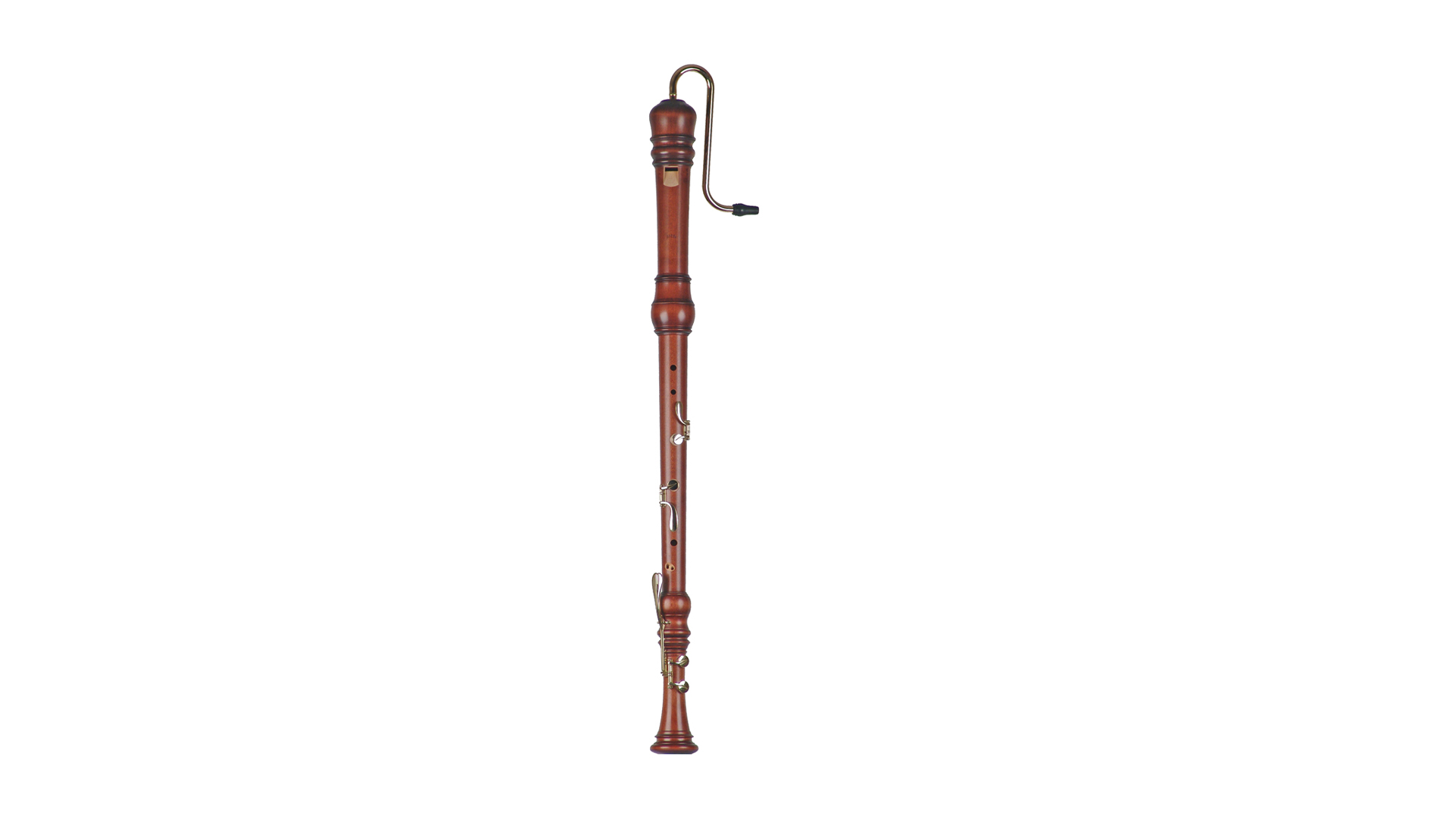
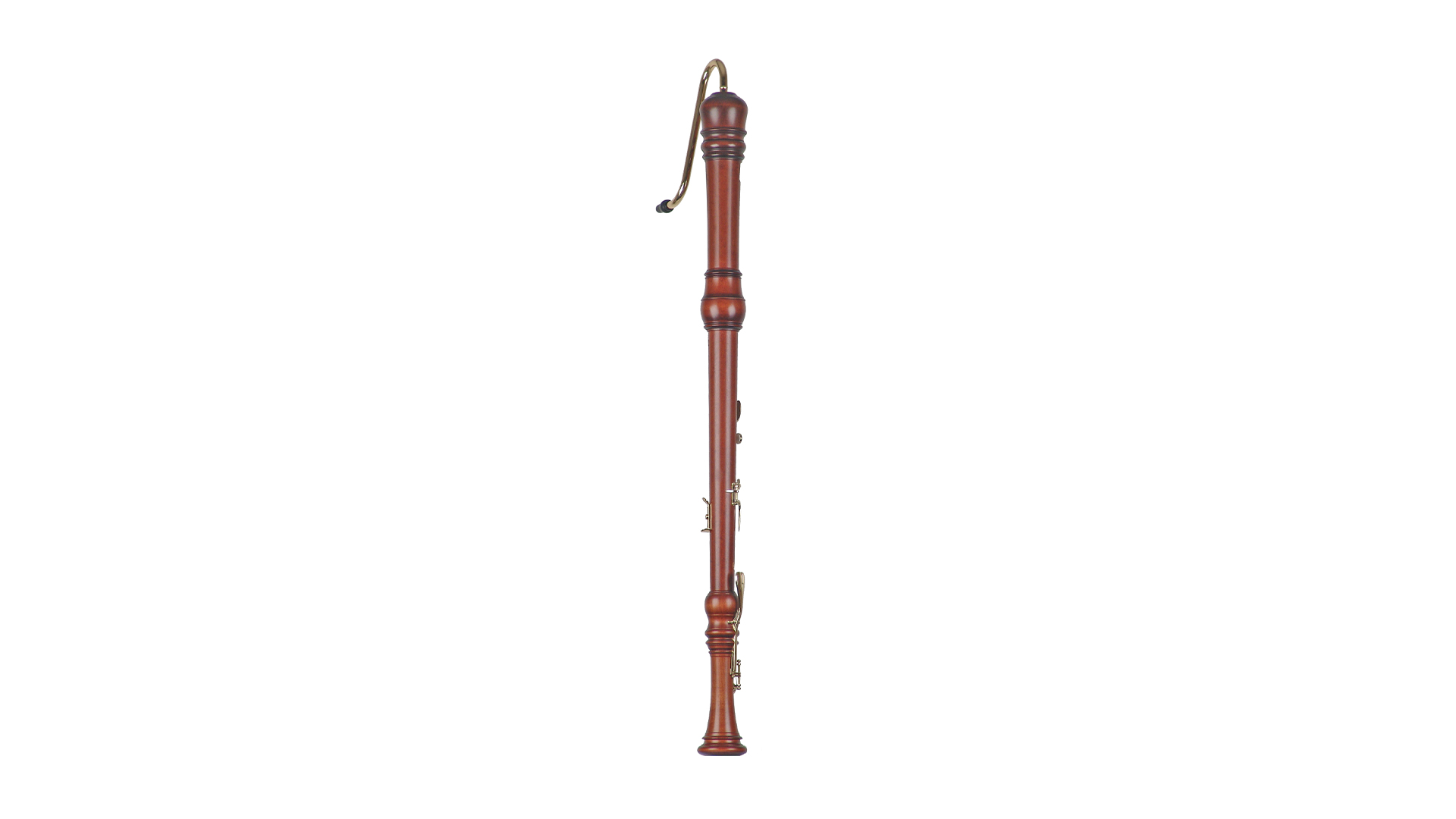
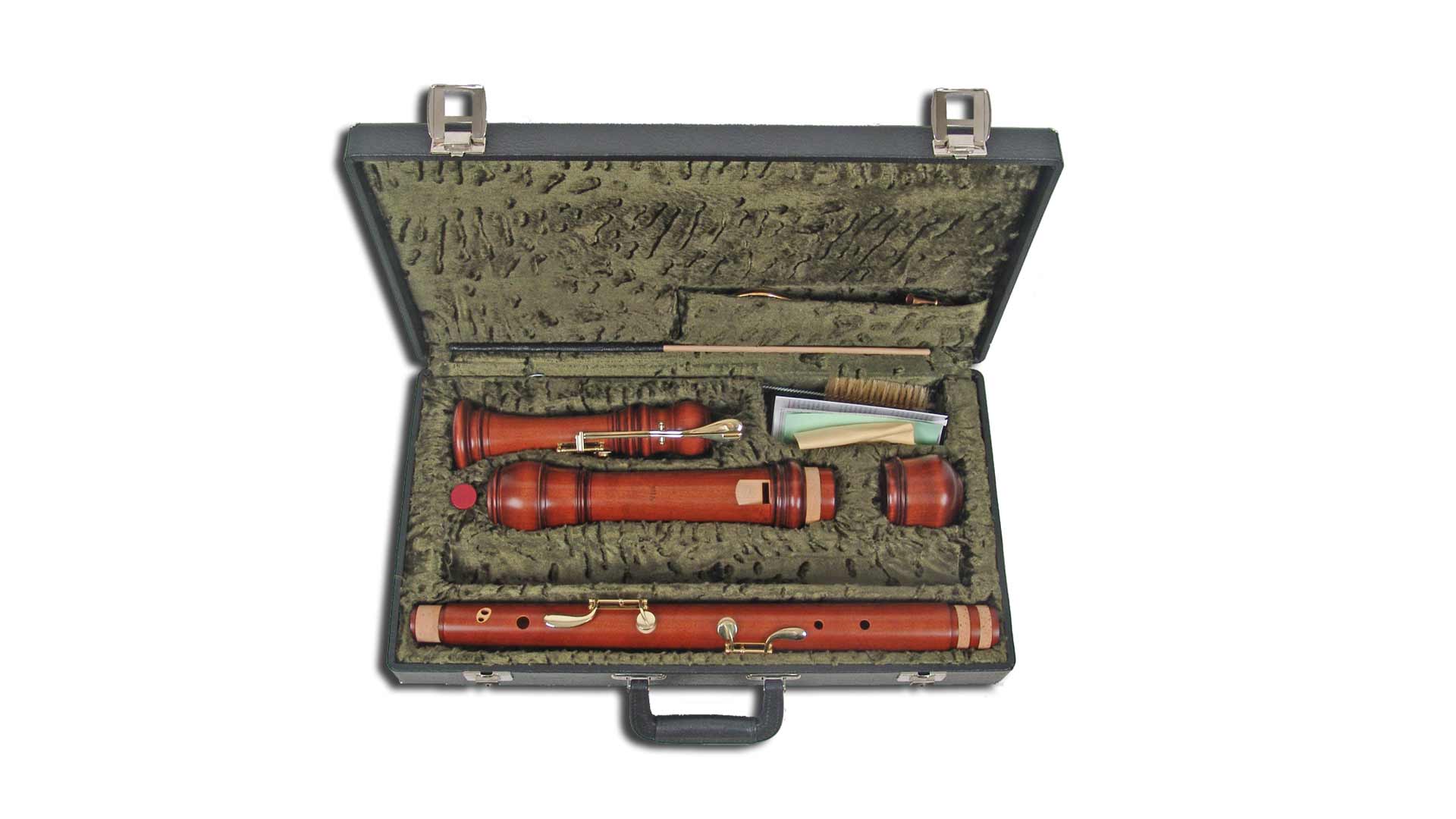
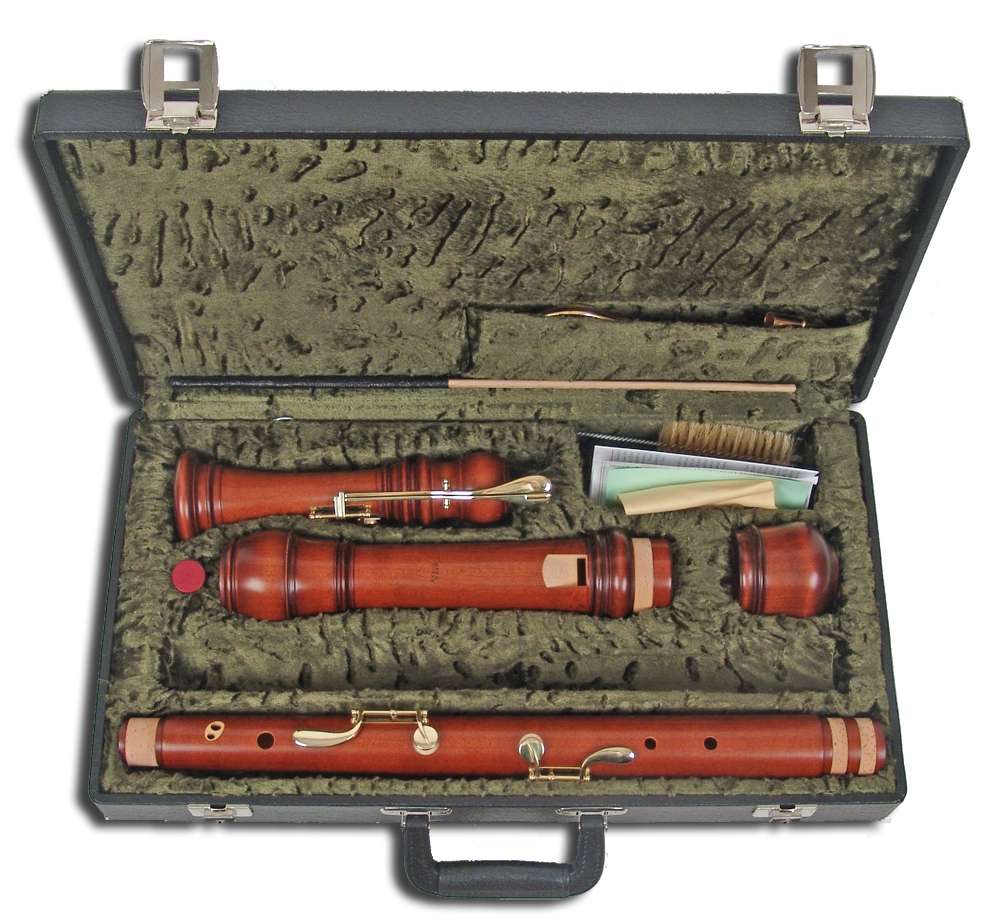
Baroque Doublehole, Item: 4569-MOE Stained, 415 Hz
The instrument with the model number: 4569-MOE built by Moeck is a recorder, the in playing continues to will make joy.
This peculiarity is due to the special marriage of the outstanding instrument model in interplay with the qualities of the material Maple.
The bore
The geometry of the inner bore of the recorder is light cylindroconical and narrower on average. This kind of bore course gives this model its special tone.In principle, models with wider bore sound warmer, fuller, more fundamental and thus more suitable for ensembles than recorders with narrower inner bore.
For which music can this instrument be used for?
Maple is particularly for instruments used for: Ensemble, choral and solo performance.To whom is this recorder addressed?
This means that recorders made of Maple are especially for ambitious amateurs and advanced players recommendable. A second important rule is that a higher instrument makes the interaction in most cases easier apparently low-cost offer.The windway of a recorder
The windway is the area in the head of the instrument where the blowing air of the musician is formed into a thin sheet of air. This air leaf is of one of the most important elements of the instruments tone. At the labium, the air stream is very quickly alternately directed inwards and outwards. This swinging flow stimulates the air in the body of the instrument. And this is the origin of the recorder tone. This is the reason why the labium must never be damaged. The same rule applies to the windway. Otherwise suffer the variability of the available sound spectra of the recorder.
The windway of the recorder 4569-MOE of Moeck has this windway shape: Curved, conical.Conical windways accelerate the air leaf more than cylindrical shaped windways.
Never underestimate windway and labium! Their meaning for the recorder is uncommon complex in their design. Even minor damages here often lead to a total loss!
Fingerings
The model Moeck 4569-MOE is delivered in the following version: Baroque Doublehole .
Construction of the body
The number of individual parts a woodwind instrument influences extraordinarily the way the recorder in daily use on the one hand is uncomplicated to handle in terms of easy gripping and on the other hand for the convenient transport.
A point that becomes especially important when larger or multiple instruments transported.
{Experienced ensemble players can tell you a thing or two about this. Or ask members of recorder orchestras will agree.
Leaders of large ensembles know how useful good and compact recorder cases are.
Packaging and accessories
The instrument is supplied as standard with: CaseThe following accessories included: Wiper rod, drying cloth, pivot grease, care instructions, fingering chart
Hints for finding a new instrument
Inform yourself in detail!The search for your recorder should never be influenced by the opinions of "self-proclaimed experts".
Get your own realizations after testing a recorder. Don't let "expert"-opinions.
Do not let others stop you from trying a unkown brand.
Your musical taste is as individual as you are.
Therefore, only you can decide which instrument will touch.
Our recommendation is therefore: Play different brands!
After that you will be delighted and can make a safe decision.
Information about instruments with keys
Not always can the tone holes be placed in places in the body that are easy and pleasant to reach with the fingers. Especially with deep recorders sit for acoustic reasons certain tone holes ergonomically not to reach. On these instruments, by the instrument maker keys are added, which make gripping easier, or possible in the first place.This allows it to be {pleasant|light|ergonomic|conspicuous|above average| good grip even by players with smaller hands.
The instrument 4569-MOE has the following flaps: Centerpiece flaps + foot flap
| Accessories: | Wiper rod, drying cloth, pivot grease, care instructions, fingering chart |
|---|---|
| Bore shape: | light cylindroconical and narrower on average |
| Construction: | 4-part (cap, head, middle, foot piece) |
| Fingering: | Baroque Doublehole |
| Keys: | Centerpiece flaps + foot flap |
| Material: | Maple |
| Material: Botanical name: | Acer pseudoplatanus |
| Material: Country of origin: | Canada |
| Packing: | Case |
| Surface treatment: | Stained |
| Target group: | Ambitious amateurs and advanced players |
| Weight with case: | 1.5 kg |
| Windway: | Curved, conical |
| Size: | F-Bass |
| Blowing type: | Blowpipe |
| Tuning pitch: | 415 Hz |
| Group: | Recorder |
| Material structure: | Maple: The texture is fine and uniform. |
| Musical use: | Ensemble, choral and solo performance |
| Sound characteristics: | Maple: Warm and clear, slightly thinner than pearwood |
Login