

Moeck, "Rottenburgh", bass in f, baroque double hole, 442 Hz, maple stained, expandable to 415Hz

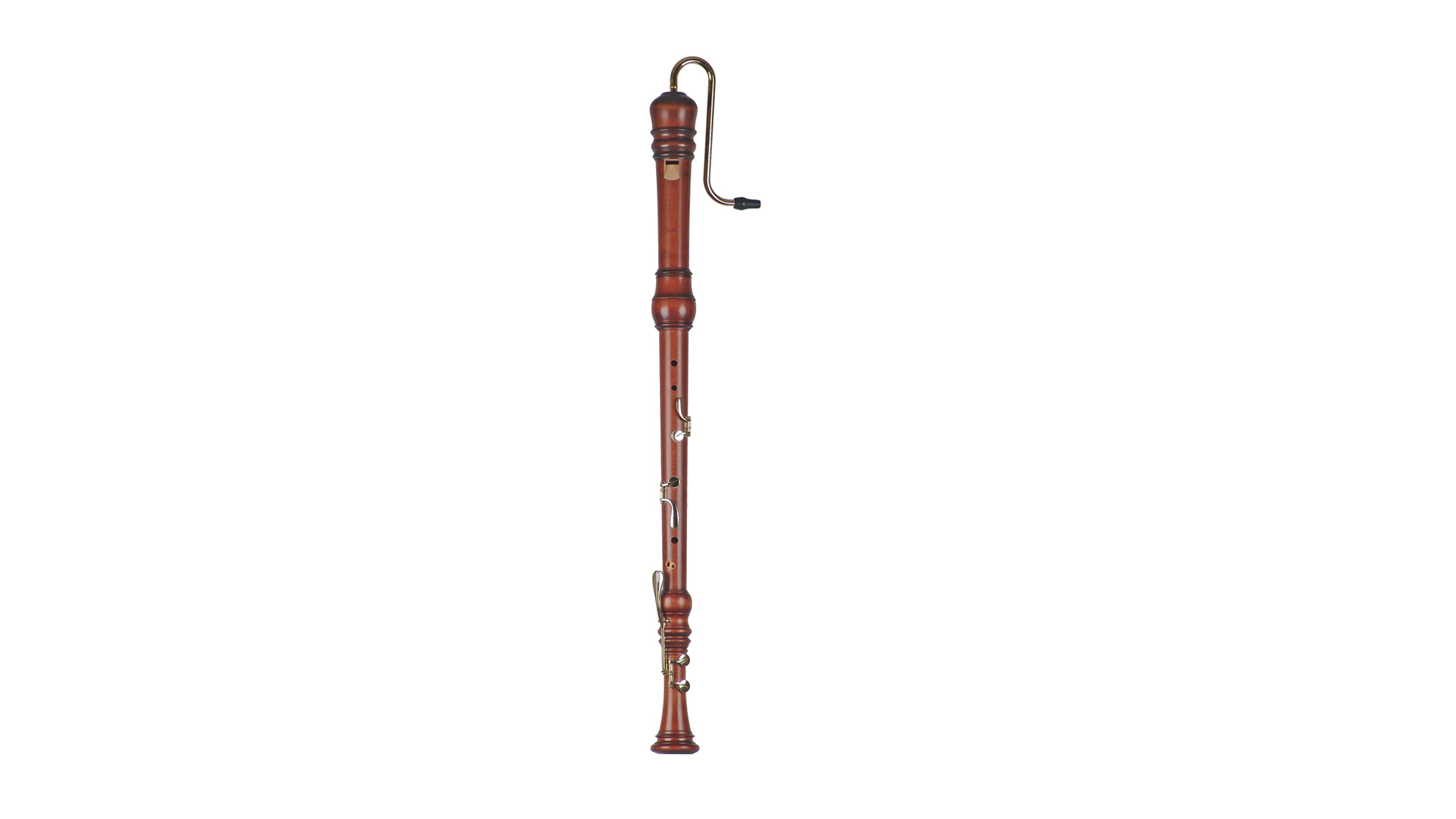
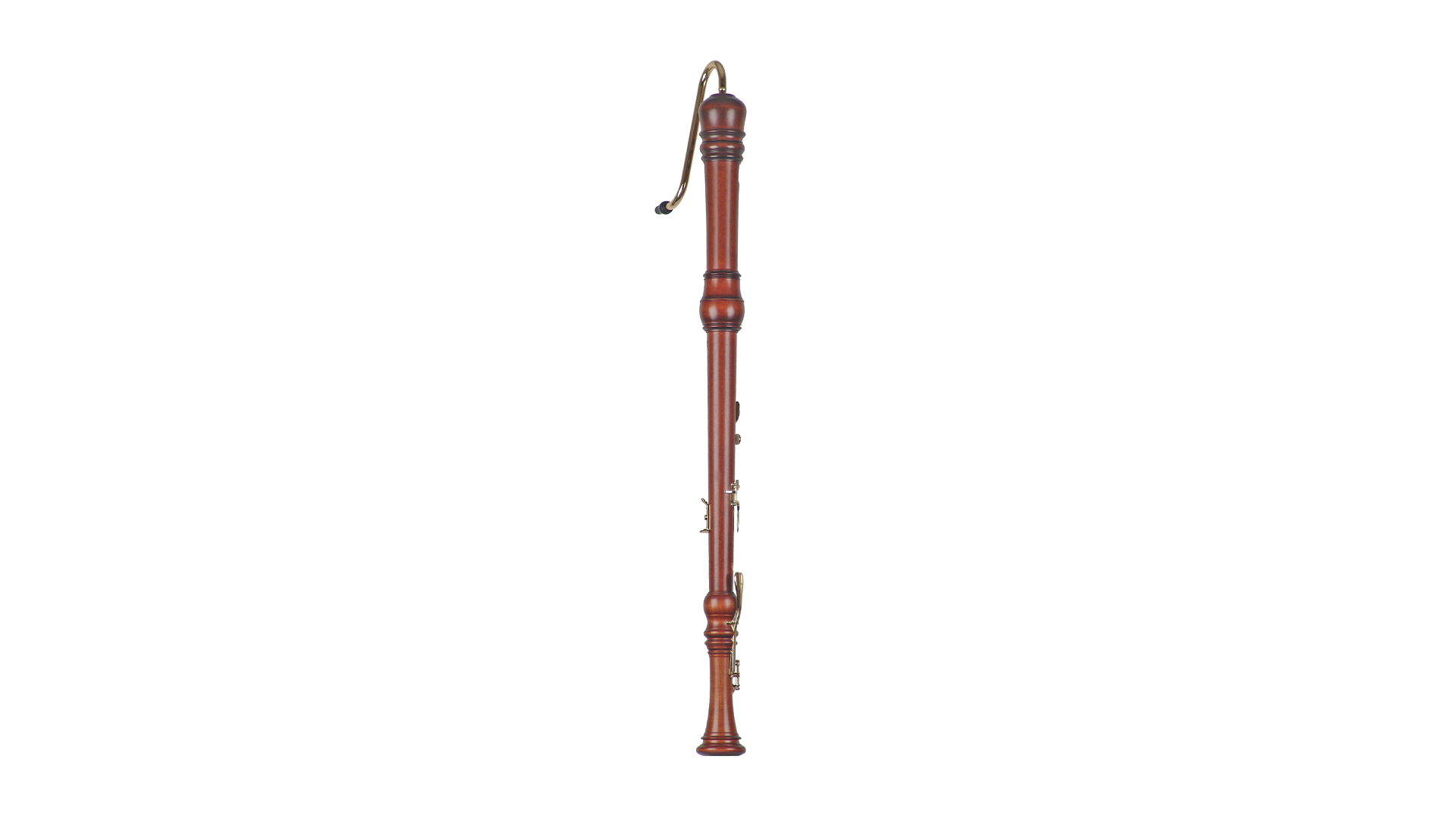
Baroque Doublehole, Item: 4529-MOE Stained, 442 Hz
The F-Bass with the model number: 4529-MOE manufactured by Moeck is a recorder, the in lessons, or performing new can make happy.
This property is based to a large part on the careful merging of the marvelous model in combination with the characteristics of the material Maple.
The bore
The geometry of the inner bore of the instrument is light cylindroconical and narrower on average. This kind of bore shape gives the instrument this special sound.In principle, recorders with wider bore sound warmer, fuller, more fundamental and thus more suitable for ensembles than instruments with narrower scale.
For which music can this instrument best be used for?
Maple is greatly suitable for instruments used for: Ensemble, choral and solo performance.To whom is this recorder addressed?
For the above facts it follows that instruments made of Maple are especially for ambitious amateurs and advanced players recommendable. An additional to be heeded rule is that a demanding instrument makes the learning progress usually pleasant than a low-quality low-cost bargain.The windway of the recorder
The windway is the area in the head of the instrument where the blowing air of the musician is formed into a thin sheet of air. This air leaf is the basis of the instruments tone. At the labium, the air flow is very quickly alternately directed inwards and outwards. This swinging stream stimulates the air in the body of the instrument. This is the origin of the recorder sound. This is the reason why the labium must not be damaged in any case. The same rule applies to the windway. Otherwise suffer the range of musical expressiveness of the instrument.
The windway of the recorder 4529-MOE of Moeck has this windway shape: Curved, conical.Conical shaped windways accelerate the air leaf more than cylindrical windways.
Never violate windway and labium! Their meaning for the voicing is complex in their design. Even minor damages here often lead to a total loss!
Fingerings
The model Moeck 4529-MOE is delivered in the following version: Baroque Doublehole .
Construction
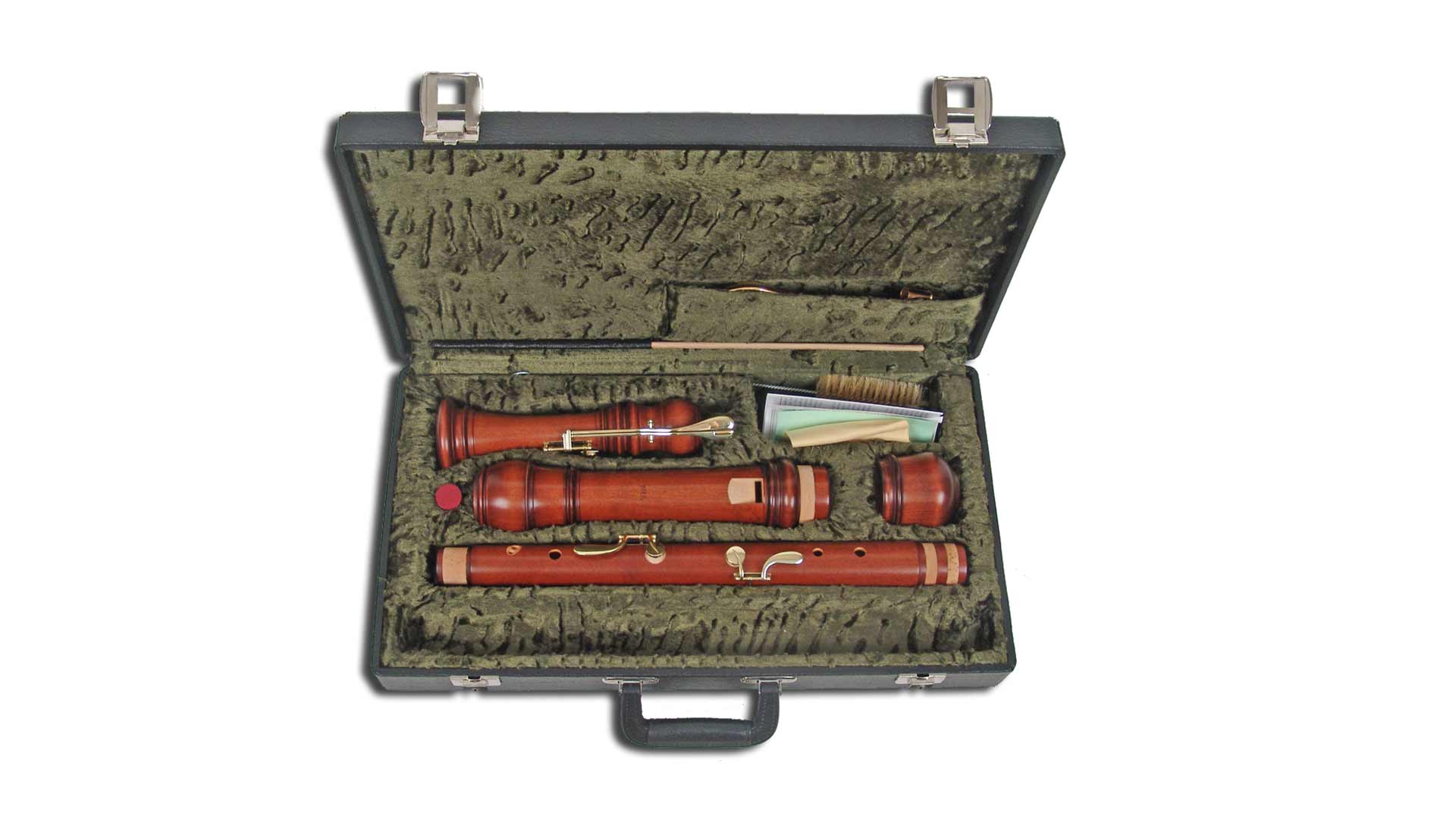
The number of parts a recorder shapes extraordinarily the way it in use on the one hand is uncomplicated to handle in terms of easy assembling and on the other hand for the convenient transport.
A point that becomes especially important when larger or multiple instruments be.
{Experienced ensemble players can tell you a thing or two about this. Or ask leaders of recorder ensembles.
Leaders of recorder choirs know how useful good and compact recorder packaging is.
Packaging and accessories
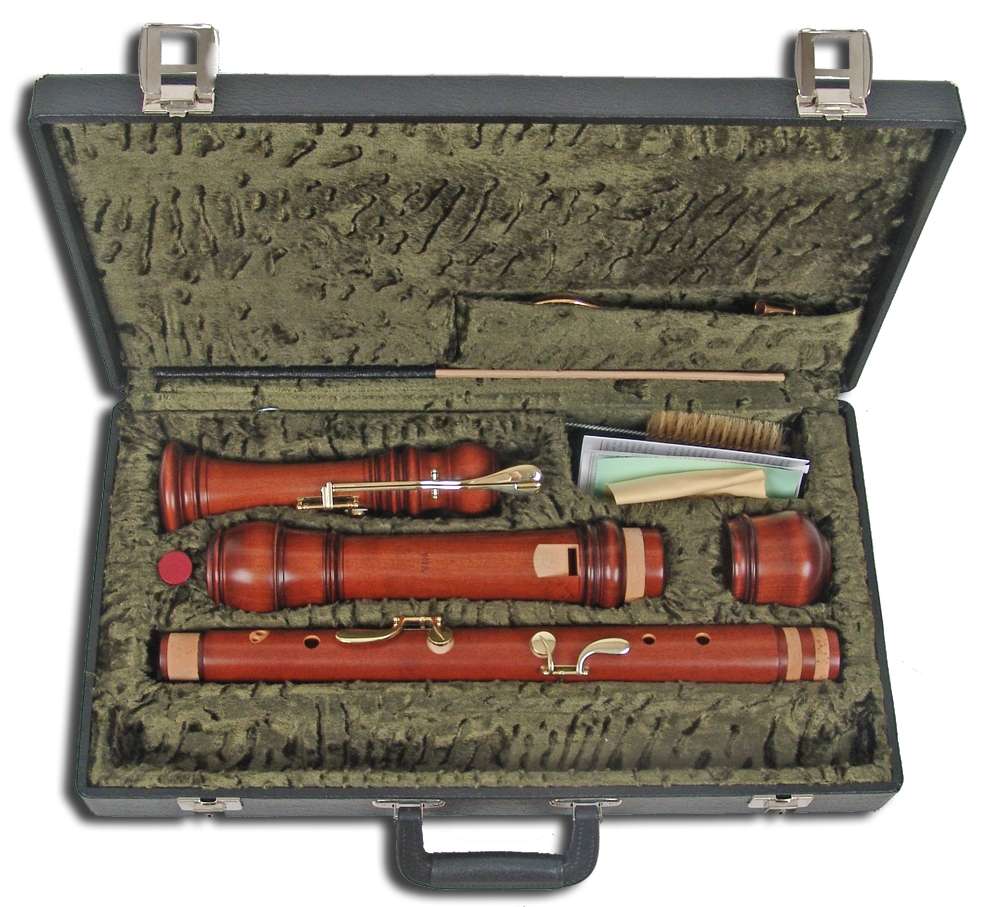
The recorder is offered as standard with: CaseThe matching accessories included: Wiper rod, drying cloth, pivot grease, care instructions, fingering chart
Recommendations on the way to new recorders
Inform yourself in detail!The search for your instrument should never be influenced by opinions prevailing in your environment.
Get your own realizations after playing an instrument. Don't let "expert"-opinions.
Do not let others stop you from trying a unkown recorder model.
Your taste is as individual as you are.
Therefore, only you can decide which recorder will personally touch.
Our recommendation is therefore: Try various brands!
After that you will be delighted and can make a safe decision.
Information about instruments with keys
Not always can the tone holes be placed in the places in the instrument that are pleasant to grasp with the fingers. Especially with larger recorders sit for acoustic reasons certain tone holes ergonomically not to reach. On such instruments, keys are added, which make gripping easier, or possible in the first place.This allows it to be {pleasant|light|ergonomic|conspicuous|above average| good play even by players with smaller hands.
The instrument 4529-MOE has the following flaps: Centerpiece flaps + foot flap
| Accessories: | Wiper rod, drying cloth, pivot grease, care instructions, fingering chart |
|---|---|
| Bore shape: | light cylindroconical and narrower on average |
| Construction: | 4-part (cap, head, middle, foot piece) |
| Fingering: | Baroque Doublehole |
| Keys: | Centerpiece flaps + foot flap |
| Material: | Maple |
| Material: Botanical name: | Acer pseudoplatanus |
| Material: Country of origin: | Canada |
| Packing: | Case |
| Surface treatment: | Stained |
| Target group: | Ambitious amateurs and advanced players |
| Weight with case: | 1.5 kg |
| Windway: | Curved, conical |
| Size: | F-Bass |
| Blowing type: | Blowpipe |
| Tuning pitch: | 442 Hz |
| Group: | Recorder |
| Material structure: | Maple: The texture is fine and uniform. |
| Musical use: | Ensemble, choral and solo performance |
| Sound characteristics: | Maple: Warm and clear, slightly thinner than pearwood |
Login